GeoAI4SD 2026 is an international conference organized by the Institut Agronomique et Vétérinaire Hassan II (IAV Hassan II) within the framework of the DTT4SD project , co-funded by the European Union.
The conference brings together researchers, academics, professionals, doctoral students, and decision-makers to explore the role of Geospatial Artificial Intelligence (GeoAI) in advancing sustainable development.
The conference will be held in a fully online format, enabling international participation and virtual scientific exchange.
Key topics include environmental monitoring, climate action, sustainable cities, agriculture, food security, water management, and digital innovation for sustainability.
Key deadlines for authors and participants of GeoAI4SD 2026.
April 15, 2026
May 30, 2026
Extended to June 19, 2026
June 29, 2026
July 3, 2026
July 4, 2026
July 8–9, 2026
Participation in GeoAI4SD 2026 is free of charge. Complete the registration form to receive the conference access link, programme updates, and important announcements.
Register NowPreliminary programme of GeoAI4SD 2026.
| Time | Activity |
|---|---|
| 09:00 – 09:30 |
Opening Ceremony • Welcome address by the Director of IAV Hassan II • Welcome address by Dr. Latifa Daadaoui (Erasmus+) • Welcome Address by Prof. Kenza Ait El Kadi (Project Coordinator of DTT4SD at IAV Hassan II) |
| 09:30 – 11:00 |
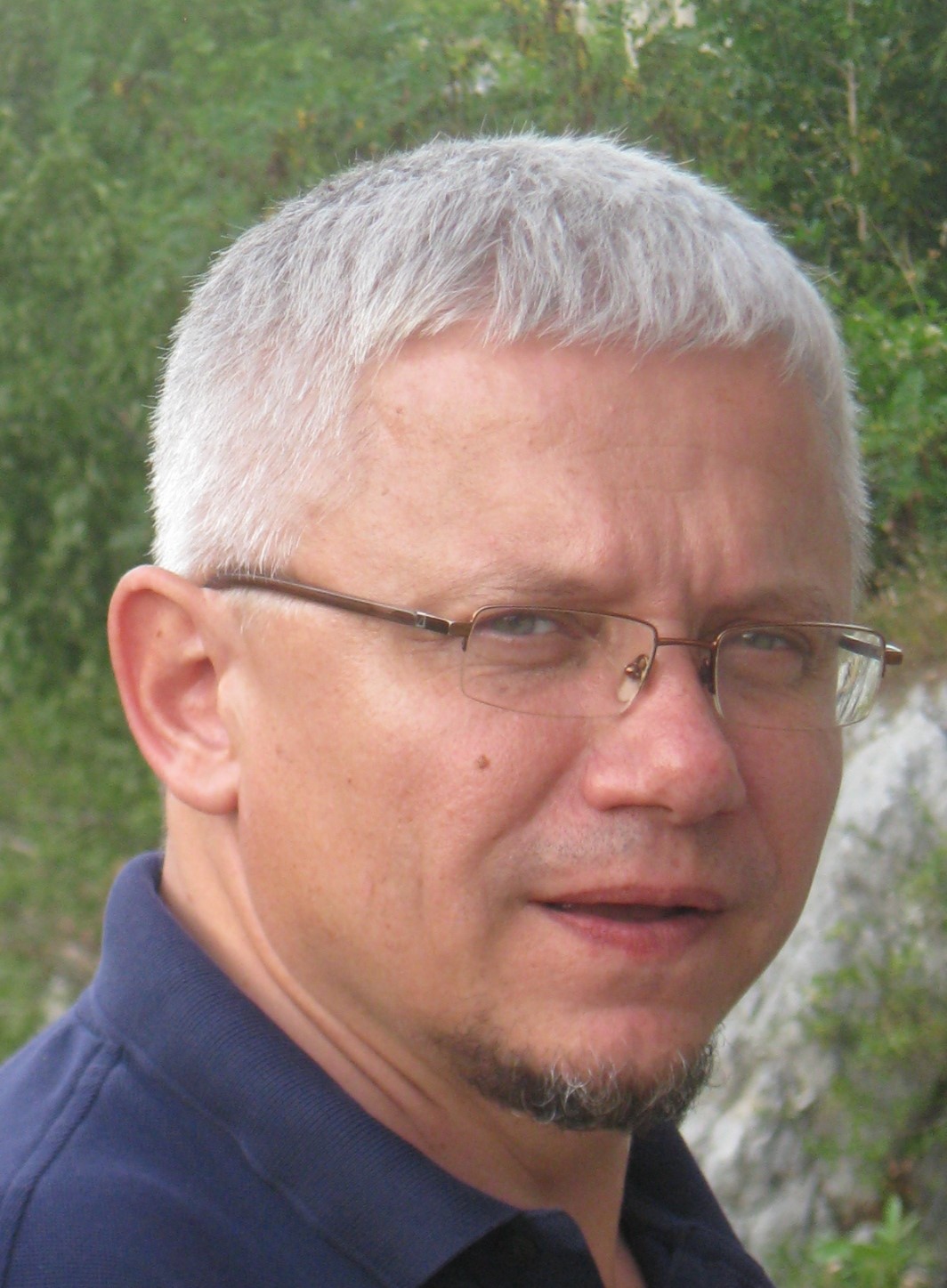
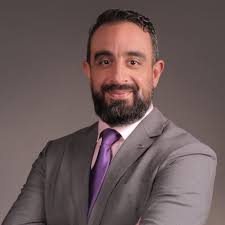
Keynote Session 1 • Prof. Željko Bačić - University of Zagreb, Croatia • Prof. Mahdi Khodadadzadeh - University of Twente, Netherlands • Prof. Fatma Trabelsi - University of Jendouba / IRESA, Tunisia • Dr. Simon Taugourdeau - CIRAD Montpellier, France |
| 11:00 – 11:15 | Break |
| 11:15 – 12:30 |
Keynote Session 2 • Dr. El Hadi Gashut - CRTEAN • Dr. Tarik Benabdelouahab - INRA Morocco • Prof. Kenza Ait El Kadi / Prof. Hajji Hicham - IAV Hassan II, Morocco • Prof. Adnane Labaaci - Ibn Tofail University, Morocco |
| Time | Activity |
|---|---|
| 09:00 – 10:30 | PhD Students’ Presentations – Session 1 |
| 10:30 – 10:45 | Break |
| 10:45 – 12:30 | PhD Students’ Presentations – Session 2 |
| 12:30 – 13:00 | Closing Discussion & Final Remarks |
Geospatial Artificial Intelligence is an emerging field that combines advanced AI techniques with geospatial data to analyze, model, and manage complex environmental and urban systems. By integrating spatial information with machine learning and data-driven methods, it enables new capabilities for Earth observation, resource optimization, and informed decision-making in a rapidly changing world. The GeoAI4SD 2026 conference aims to bring together researchers, academics, practitioners, and industry leaders to discuss emerging methods, applications, and challenges at the intersection of artificial intelligence, geospatial technologies, sustainability, and digital transformation. It provides a platform for showcasing innovative GeoAI approaches that contribute to addressing global environmental and societal challenges, including the achievement of the United Nations Sustainable Development Goals (SDGs). Contributions are encouraged across a broad range of topics, including spatial data science, remote sensing technologies, machine learning applications, geospatial data infrastructures, urban and environmental digital twins, and intelligent decision-support systems for building resilient and sustainable territories.
University of Zagreb- Croatie
Prof. Željko Bačić is a Professor at the Faculty of Geodesy, University of Zagreb, Croatia. His expertise focuses on satellite positioning, Earth observation, spatial data infrastructures, and geospatial technologies for governance and disaster risk reduction. He previously served as Director General of the Croatian State Geodetic Administration and contributed to major national geospatial reforms, including CROPOS and the Croatian National SDI.
Faculty of Geo-Information Science and Earth Observation [ITC] / University of Twente - Netherlands
Dr. Mahdi Khodadadzadeh is an Assistant Professor at the Faculty of Geo-Information Science and Earth Observation (ITC), University of Twente, the Netherlands. His research focuses on geospatial data science, machine learning, remote sensing, and big geodata processing. His work addresses GeoAI, Earth observation, desertification monitoring, and spatial validation methods for geospatial machine learning.
university of Jendouba/IRESA- Tunisia
Prof. Fatma Trabelsi is an Associate Professor of Hydrogeology and Geomatics at the University of Jendouba and a researcher affiliated with IRESA, Tunisia. Her research focuses on hydrogeology, groundwater management, GIS, remote sensing, geostatistics, machine learning, and climate change applications. She has contributed to several international projects on water resources, flood risk assessment, and environmental monitoring.
CIRAD Montpelier-France
Dr. Simon Taugourdeau is a researcher at CIRAD and a specialist in pasture ecology and biodiversity in arid and semi-arid ecosystems. His research focuses on grazing practices, land restoration, climate change, vegetation dynamics, and ecosystem services in pastoral systems. He uses remote sensing, drones, photogrammetry, and geospatial data analysis to study biodiversity and sustainable land management.
CRTEAN - Indtitutional Lead
Dr. El Hadi Gashut is a geophysicist and expert in remote sensing, Geographic Information Systems, and space management. He has held several leadership positions in remote sensing and space sciences, including Director General of the Libyan Center for Remote Sensing and Space Sciences. Since 2013, he has led CRTEAN, supporting geospatial technologies, capacity building, and sustainable development across North Africa.
National Institute of Agricultural Research [INRA] - Morocco
Dr. Tarik Benabdelouahab is a Moroccan agricultural scientist and Head of the Environment and Natural Resources Department at INRA Morocco. His research focuses on satellite remote sensing, digital agriculture, climate resilience, and environmental modeling for sustainable resource management. He contributes to projects on digital soil mapping, crop yield forecasting, and agro-meteorological modeling.
Agronomic and Veterinary Hassan II Institute [IAV Hassan II] - Morocco
Prof. Kenza Ait El Kadi is a Moroccan researcher, geomatics engineer, and entrepreneur, currently serving as Head of the Department of Cartography, Photogrammetry, GIS, and Remote Sensing at IAV Hassan II, Rabat, Morocco. Her research focuses on geomatics, Earth observation, photogrammetry, GeoAI, and digital agriculture. She is actively involved in national and international projects related to spatial data infrastructures, sustainable development, and geospatial innovation.
Agronomic and Veterinary Hassan II Institute [IAV Hassan II] - Morocco
Prof. Hicham Hajji is a Moroccan researcher, geospatial expert, and Professor at the School of Geomatic Sciences and Surveying Engineering of IAV Hassan II, Rabat, Morocco. He received his Engineering degree in Surveying Engineering from IAV Hassan II and holds both an M.Sc. and a Ph.D. in Computer Science from INSA Lyon, France. His research focuses on Geographic Information Systems (GIS), Artificial Intelligence, Big Data, spatial data infrastructures, and web mapping technologies. He has contributed to numerous national and international projects related to geospatial innovation, data science, and digital transformation for sustainable territorial development.
Ibn Tofail University [UIT] - Morocco
Prof. Adnane Labaaci is a Moroccan researcher and faculty member at Ibn Tofail University, Morocco, affiliated with the Laboratory of Territorial Planning, Geo-Environment, and Development. His research focuses on GIS, remote sensing, GeoAI, and machine learning for environmental and agricultural monitoring. His work addresses vegetation analysis, land degradation, desertification vulnerability, and sustainable land management.
The online participation link will be shared soon.
Authors are invited to submit papers for review by the Scientific Committee.
Email: dtt4sd@gmail.com
Subject: Paper Submission – GeoAI4SD 2026